The Deaf and Hard of Hearing (DHH) team plays a critical role in facilitating communication access, advocating the rights of individuals, and connecting them to essential resources for education, employment, and independent living. By bridging the gap between the DHH community and the hearing world, the team utilizes interpreters, technology, and cultural awareness to promote full participation and inclusion in society.
Deaf and Hard of Hearing Community Coordinator
Responsible for identifying and connecting individuals with the necessary resources in the community to meet their needs. They also educate staff about the services and supports available within the community and guide them in the best approach to address each individual’s unique needs. The goal is to find solutions that enhance each person’s well-being, fostering independence, and helping them reach their full potential every day. This includes ensuring access to language support, accessibility tools, augmentative and alternative communication (AAC), and other resources that enable individuals to adapt effectively on a daily basis.
Meet The Team
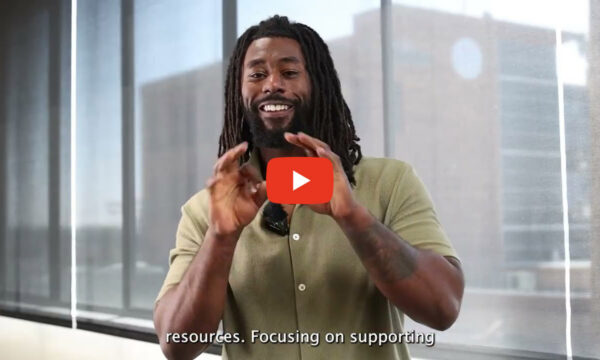
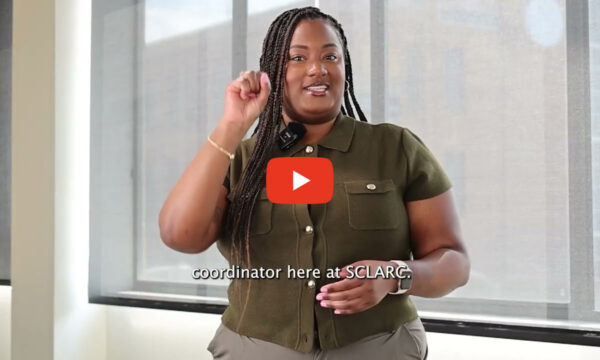
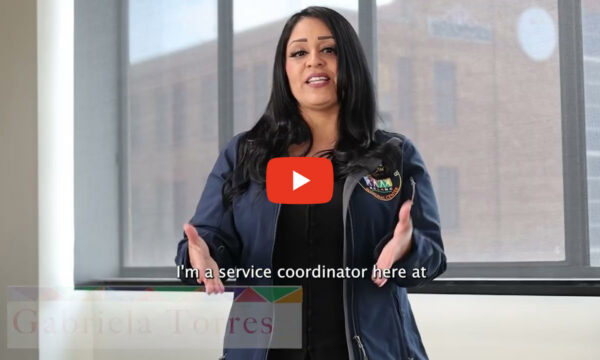
DHH Service Coordinators at SCLARC provide essential support by ensuring that individuals with developmental disabilities have access to the services and resources they need. Their role is to facilitate community integration, advocate for individuals’ rights, and coordinate services that help individuals thrive in their communities.
Deaf Culture
Deaf culture is rooted in pride, community, identity, and language. Daily life for Deaf individuals varies in education, accessibility, and media, with ASL being a key language that distinguishes us from the hearing world. Technology helps bridge communication gaps in ways hearing people might not fully understand. Deaf culture also has its own athletes, actors, leaders, and influencers who inspire the next generation. We take pride in the diversity and strength of our community.
DHH+
Deaf and hard of hearing individuals can experience varying degrees of hearing loss. Some may have little to no hearing but still use hearing devices, such as cochlear implants or hearing aids. Those who are hard of hearing typically retain some residual hearing; some use hearing devices, while others may not
“Deaf Plus” refers to individuals who not only have hearing loss but also have additional disabilities recognized under the Lanterman Act. These individuals may face other health challenges alongside their hearing loss, including:
- Autism
- Epilepsy
- Cerebral Palsy
- Intellectual Disabilities
- Other conditions

Deaf-blind
Individuals use adaptive technologies and communication methods such as tactile sign language and Braille to overcome challenges in communication and sensory processing. To support their needs, we provide additional resources and assistance, helping them navigate daily life and work toward achieving greater independence.
What is Dinner Table Syndrome?
Individuals who experience Dinner Table Syndrome often face a lack of communication access, leading to feelings of exclusion and an inability to follow conversations. This can result in emotional impact, including social isolation. Additionally, there are unmet needs that others may not understand, and frustrations often manifest non-verbally. The lack of ability to fully participate in shared experiences can also hinder language development.
What happens with Language Deprivation?
Late Exposure to Sign Language:
If a Deaf child isn’t introduced to sign language (such as American Sign Language, ASL) early enough, they may miss out on the full linguistic and cognitive benefits that come from learning a language in the early years.
- Late Access to Spoken Language or Accommodations: Similarly, if a child doesn’t have access to spoken language or appropriate accommodations like captioning, hearing aids, or speech therapy early on, they may face delays in acquiring language skills.
-
Early intervention and access to an accessible language are crucial for mitigating these challenges.
Interpreters:
ASL Interpreters
An ASL Interpreter is a hearing person fluent in both American Sign Language (ASL) and English. They interpret between spoken English and ASL to facilitate communication between Deaf and hearing individuals. ASL Interpreters are trained professionals who work in various settings, such as schools, hospitals, and meetings. They are skilled in conveying information in any environment and ensuring that both parties can understand and exchange information effectively.
Certified Deaf Interpreters
(CDIs) require additional support in facilitating information, such as incorporating more specific handshapes and grammar to help convey concepts more clearly. This allows for better understanding and communication when interacting with a CDI, ensuring messages are accurately conveyed.

SCLARC Vision:
SCLARC will provide DHH+ and Deafblind individuals with quality, effective services that support their success in natural environments. They are also learning to advocate for their needs, empowering them to lead rich and fulfilling lives.
Families are empowered with the knowledge to support their children’s accessibility needs, with the goal of preventing isolation, depression, and language deprivation.
Service providers are specifically trained to address the cultural and communication needs of Deaf and Hard of Hearing individuals, ensuring inclusive and culturally sensitive support within the community.

Resources & Programs
Programs
Mind Your Language
Interpreter Services
John Tracy Clinic
(Audiology / Hearing Screen Testing)
Want to Learn ASL
Accessibility
Videophones for Deaf and Hard of Hearing Individuals ensure they can facilitate information through an interpreter.
For more information regarding Deaf vendor programs
please contact SCLARC.
SCLARC Deaf and Hard of Hearing Community Coordinator
Our Deaf and Hard of Hearing (DHH) Community Coordinator at South Central Los Angeles Regional Center (SCLARC), is dedicated to supporting the Deaf, Deafblind, and Deaf+ communities. They ensure that resources and services are available to all individuals served by SCLARC.
For community members, families, and staff in need of more information regarding services, resources, or vendor programs, please contact SCLARC.
For vendorization questions, please email: EvelynG@sclarc.org
For case management questions please send an email to: cmhelp@sclarc.org
For questions related to our intake process or eligibility criteria, please email:
For children under 3 – earlystartintake@sclarc.org
For children and adults over 3 years of age – lantermanintake@sclarc.org
DEI Statement:
Creating a safe and inclusive environment for Deaf and Hard of Hearing (DHH) individuals within a diverse population is essential to ensuring fair treatment, equal access, and opportunities for advancement. By fostering a sense of belonging and practicing inclusive behaviors, we support the well-being and growth of all DHH individuals. Sytematic Barriers Providing accessible communication helps bridge language gaps and reduce the barriers they may face in everyday life.